
Enterprise SERP Tracking: Beyond Rank Tracking, Across 20+ SERP Features
Built for Directors and VPs of Search Marketing who own the number. A standard rank tracker reports one position. We track the whole result page, organic, paid, Shopping, and AI, so you see where Google is shifting visibility, where you hold high-value SERP real estate, and where competitors are quietly taking it across your categories and metros.
Brands We Support





















Unified SERP Intelligence
Align organic, paid, and AI in one view, so silos stop hiding where you actually win and lose the page.

Comprehensive Coverage
Track 20+ SERP features across the markets you choose, from AI Overviews to Merchant Listings, not just ten blue links.

Daily SERP Analytics
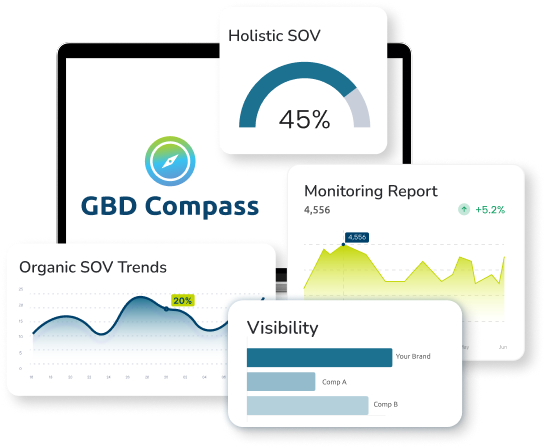
Quantify Share of Voice daily, so you defend and grow enterprise market share with numbers, not hunches.
Audit Market Share by Metro, Category, and Device
National averages hide regional losses and category-level threats. By the time Google Search Console shows the drop, you’ve already lost the quarter.
- Strategic Defense: Catch SERP squatting the day it starts. Daily analytics flag when a competitor uses paid ads or Merchant Listings to push your organic win below the fold.
- Metric-Driven Audits: Move past keyword lists. Quantify Share of Voice across AI Overviews, Reddit, and Merchant Listings to see who is really winning the user’s attention.
- Localized Precision: Watch how visibility shifts in your top regional markets and product categories, and pivot bidding and content before the gap widens.

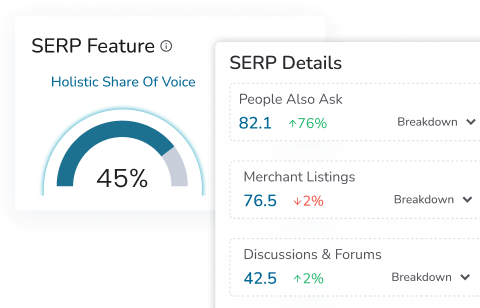
Track SERP Feature Shifts Before They Hit Your Traffic
Your team already runs Ahrefs, Semrush, or BrightEdge. In a Google results page now stacked with AI Overviews, Reddit threads, and Merchant Listings, rank tracking stopped protecting market share a while ago. SERP monitoring is the layer those tools were never built for.
We track 20+ SERP features daily across your categories and markets, so SEO and paid search leaders can:
- Identify Competitive Gaps: See exactly where rivals capture above-the-fold real estate in AI Overviews and video, while your “stable” ranking sits below it.
- Unify Search Strategy: Connect organic and paid visibility on the same keyword set, so total search spend stops working against itself.
- Catch shifts early: Spot SERP restructuring day over day, before it shows up as a drop in your traffic.
Partner Review
Our clients have leveraged GBD's tools to find landscape insights that Google would never provide. From identifying brand competition and SERP squatting to ensuring non-brand ad formats are stacking up against competition, GBD offers us a holistic picture of SERP.
Charlie - SEM Manager, Leading Agency
Graphs showing SERP trends are really strong. One of the nicest things you guys help close the link on is how things are moving.
SEO Manager, Leading Agency
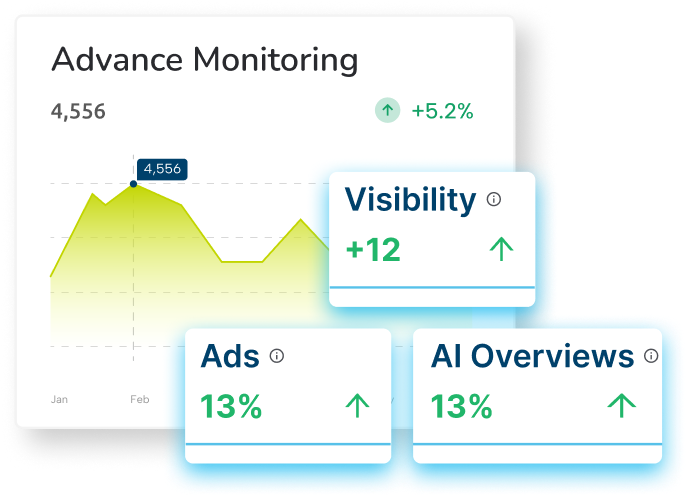
As Head of SEO Monitor SERP Performance Across Your Markets
Enterprise search doesn’t happen at the national level, and neither does your competition. GrowByData gives SEO and paid search leaders one view of how organic, paid, and AI results interact across your categories and markets.
- SERP Feature Opportunities: Find where Google is expanding room for Merchant Listings, video, and AI Overviews in your category, and claim it before competitors do.
- AI Overview & Feature Shifts: Get alerted when AI Overviews or Things to Know modules reshape your category’s above-the-fold, in time to move content strategy before it hits revenue.
- Organic and paid alignment: Hand your VP of Marketing one picture of total search visibility: where organic strength lets you pull back ad spend, and where rivals are outspending you.
Own Your SERP Landscape Across Search & Shopping
The Enterprise SERP Analytics Software Built for Search Leaders
Standard rank trackers show you position data. GrowByData is enterprise SERP analytics software that shows you the full picture, which features are reshaping your category, which competitors are winning them, and where your organic and paid strategy needs to move next.
- Built for enterprise reporting: Generate daily and weekly SERP reports segmented by category, market, device, and competitor, the kind Google Search Console and standard rank trackers can’t produce.
- Designed for search leaders, not analysts: Directors of SEO at leading brands and agencies use GrowByData to bring one unified view of SERP performance to their VP and C-suite, turning raw data into decisions.
- The layer Semrush, and BrightEdge don’t provide: Built for enterprise teams who already run those tools and need SERP feature intelligence, competitive Share of Voice, and market-level visibility that goes past keyword rankings.
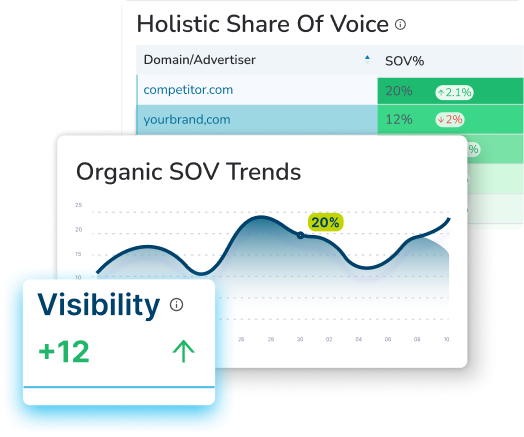
Outrank Your Competitors With the Right SERP Tracking Tool
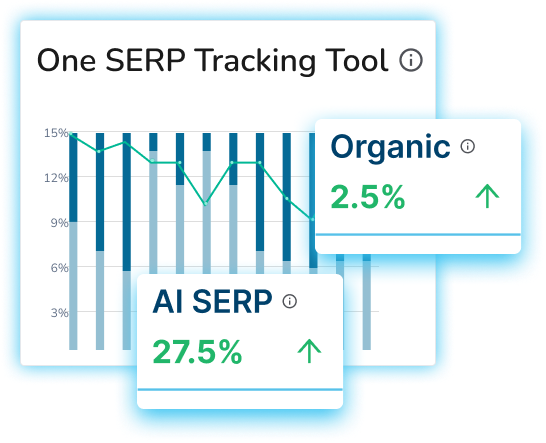
Frequently Asked Questions
Who is this Advanced SERP Monitoring best for?
What is SERP tracking?
How is SERP tracking different from rank tracking?
How is GrowByData different from SEMrush or Ahrefs for SERP monitoring?
How many SERP features do you track?
Can I track SERP features at the metro or zip code level?
How often is SERP data refreshed?
Can I compare my SERP feature share against specific competitors?
How do I track my SERP features with GrowByData
- Keyword
- Brand or Competitor
- Domain
- Location
- Device type
- Organic vs Paid
- SERP Feature type