
For years, SEO platforms have competed on a simple metric:
How many keywords can you track?
10,000 keywords.
50,000 keywords.
500,000 keywords.
The assumption behind this comparison is straightforward: the more keywords you monitor, the better your understanding of search performance.
But modern search environments have changed.
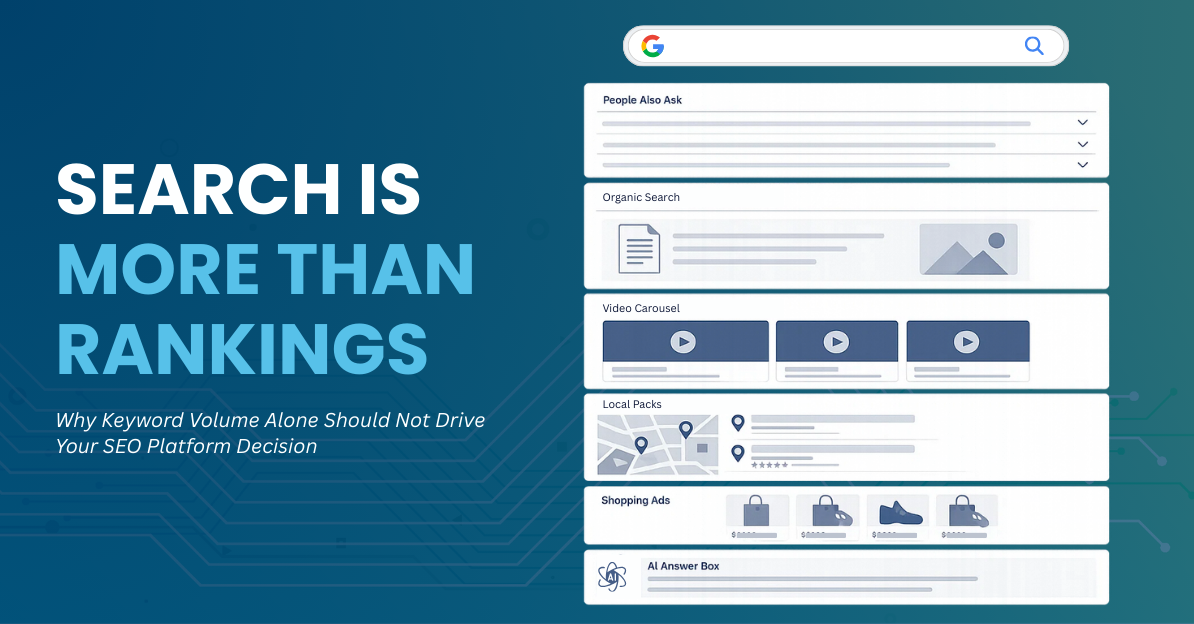
Today, competitive advantage in search is no longer determined simply by where you rank. It is determined by how visible you are across different SERP features.
And keyword volume alone cannot measure that.
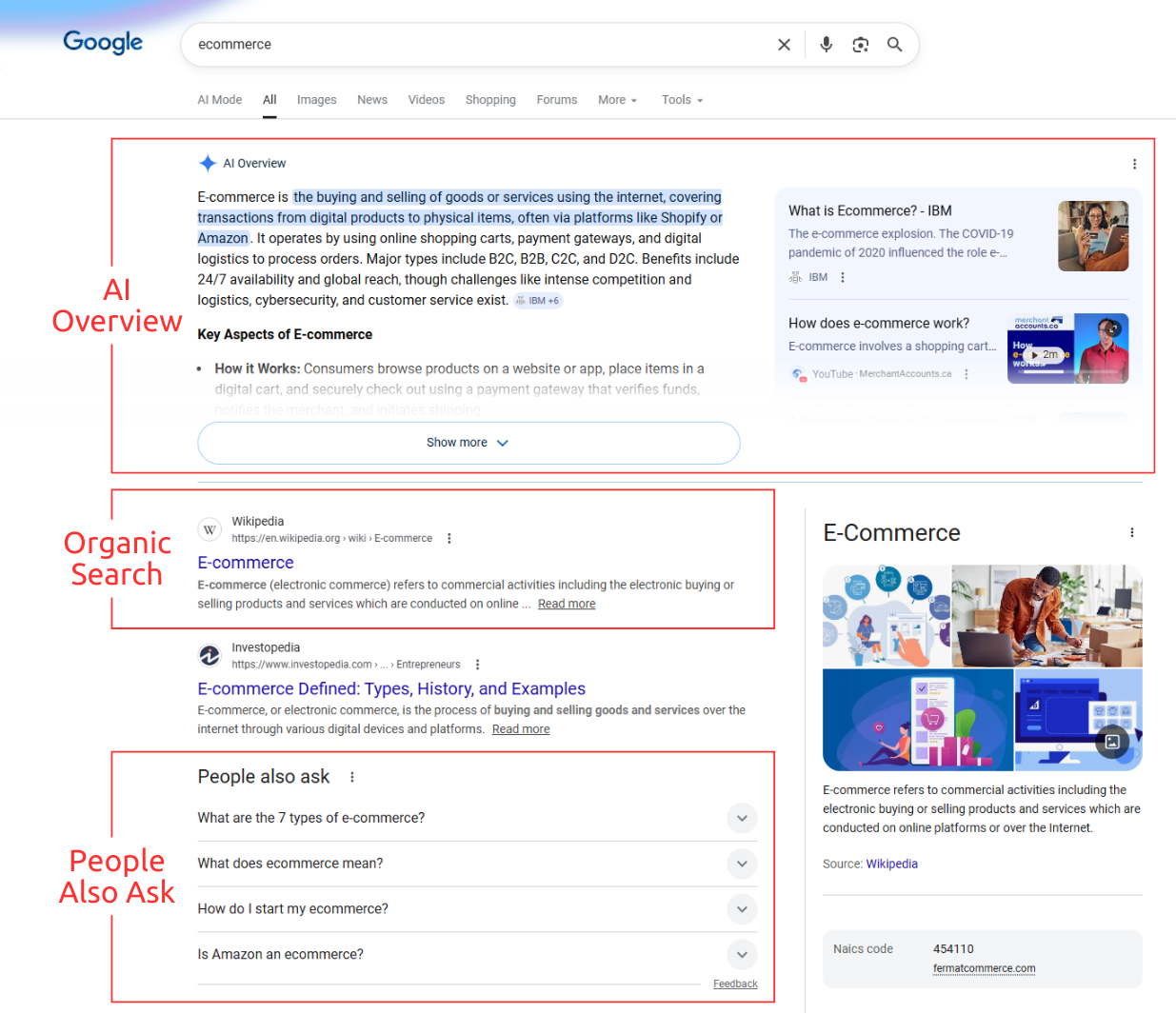
The Modern Search Results Page Is Structurally Different
Search engines no longer present results as a simple list of blue links.
A single query can now include multiple layers of content, including:
- Paid search ads
- AI-generated summaries
- Popular Products or merchant listings
- People Also Ask question modules
- Video and image modules
- Organic listings
For many queries, these elements occupy a large portion of the screen.
As a result, traditional organic rankings may represent only one component of total search visibility.
A ranking position that once guaranteed significant traffic may now appear well below other modules competing for user attention.
Understanding search performance today requires analyzing the entire structure of the results page, not just the position of an organic listing.
The Difference Between Monitoring and Intelligence
Most SEO platforms were originally designed for monitoring.
Monitoring answers operational questions such as:
- Where do we rank?
- How have positions changed over time?
- Which keywords moved up or down?
These insights are useful. But they only describe movement within rankings.
GrowByData Search intelligence platforms addresses a deeper set of questions:
- Which SERP features are appearing for a query?
- Which competitors control those features?
- How does this structure change across markets or locations?
- Where are opportunities emerging within new search formats?
Monitoring detects movement.
Intelligence explains why performance changes and what to do next. That now includes AI answers, which is where the difference between SEO, AEO and GEO starts to matter.
Why Keyword Coverage Alone Creates Blind Spots
Large keyword datasets can provide broad monitoring coverage.
However, coverage alone does not reveal how search visibility is actually distributed.
For example, two keywords may show identical ranking positions but produce very different outcomes.
Scenario A
Position: #1
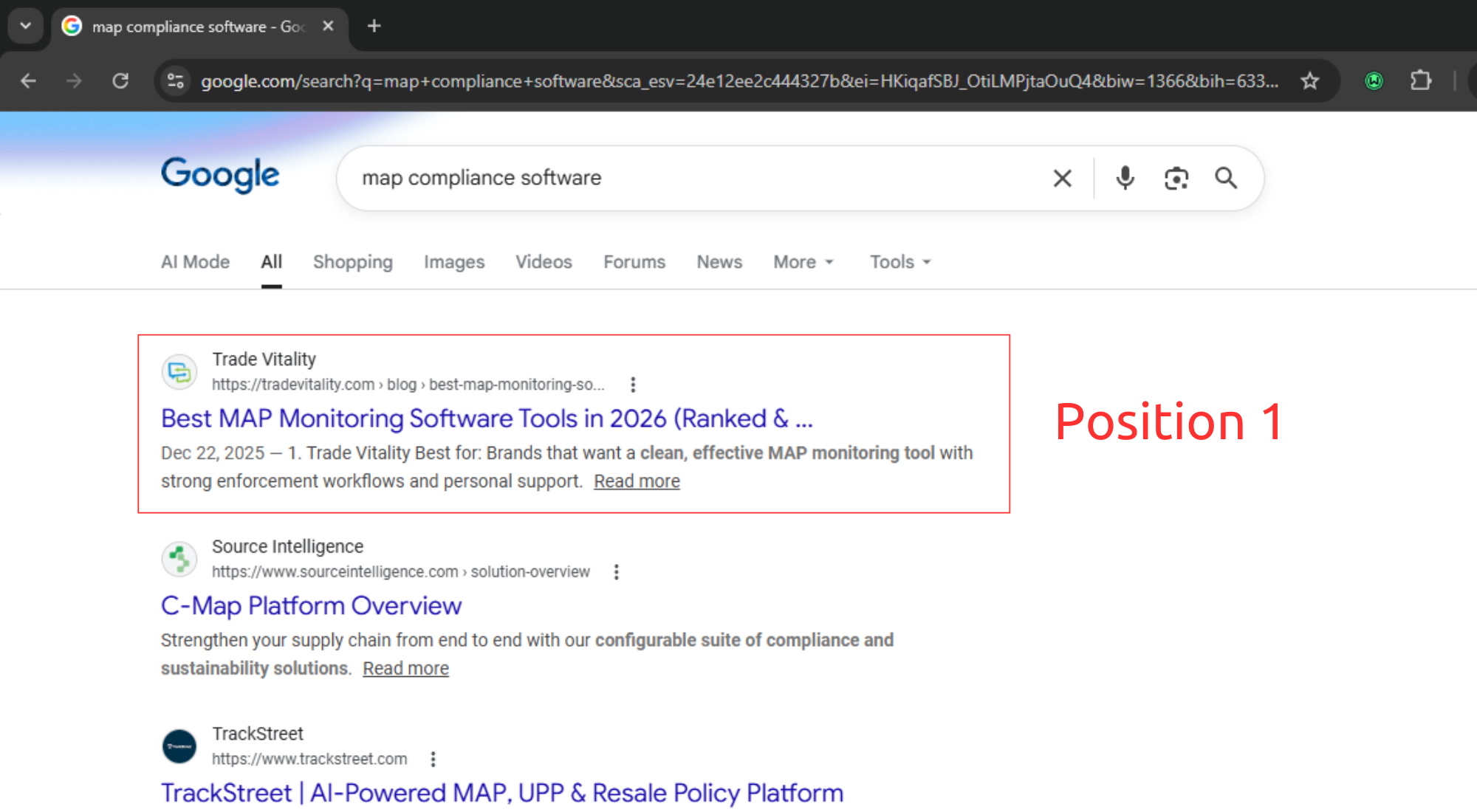
SERP features: minimal
Organic listing appears near the top of the page
Result: high visibility and strong click-through potential.
Scenario B
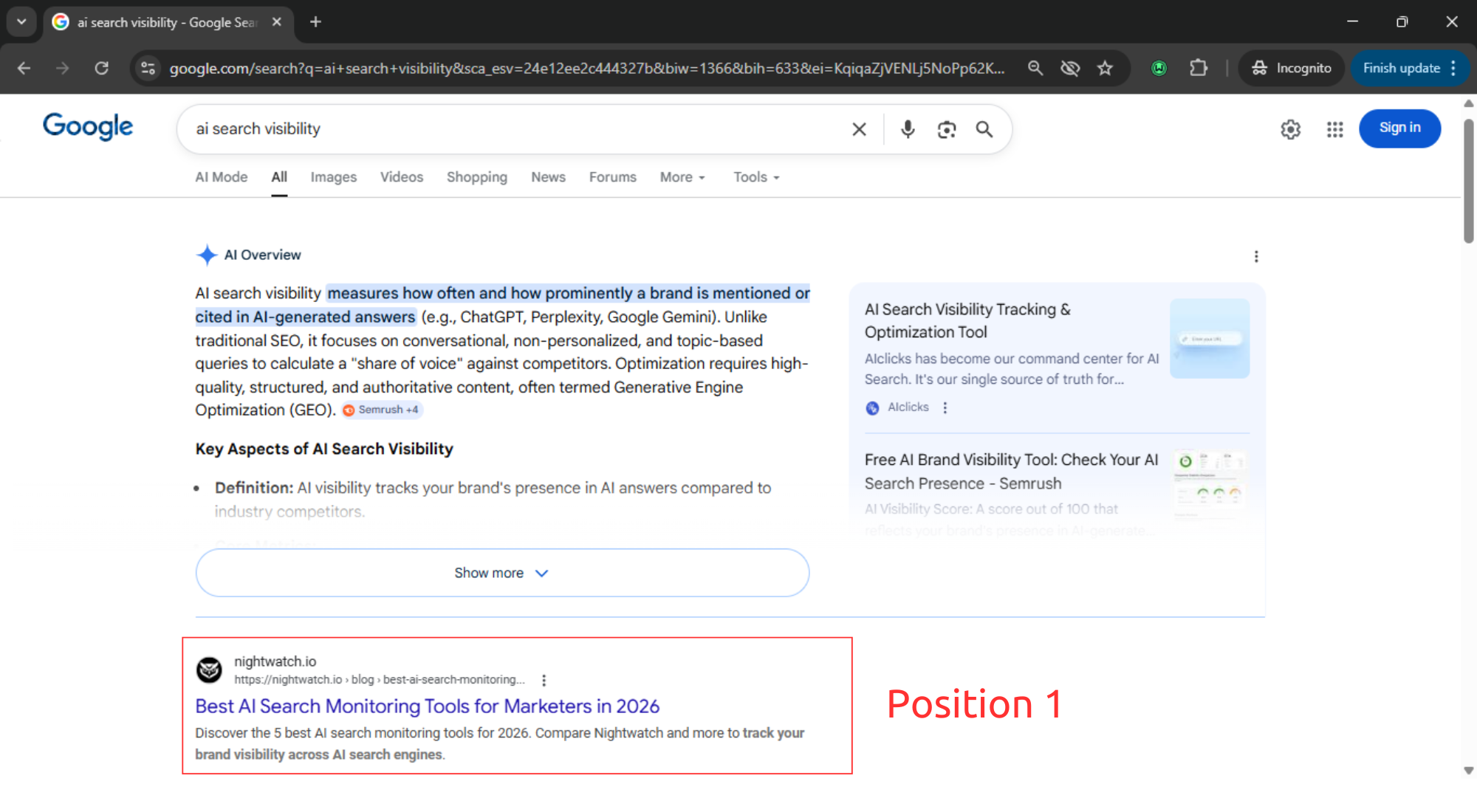
SERP features present:
- AI-generated summary
- Organic Link
Result: the organic listing appears far lower on the page.
Both scenarios are reported as Position #1.
But the user experience and the potential traffic outcome are dramatically different.
Without analyzing the structure of the search results page, organizations risk making decisions based on incomplete information.
The Structural Layer of Modern SEO
Search performance today is influenced by the architecture of the results page itself.
Key structural factors include:
- SERP feature presence
- SERP feature ownership
- Competition within individual modules
- Geographic variation in search results
- Interaction between paid and organic placements
This structural layer determines how visibility is distributed across the page.
Platforms designed around structured SERP intelligence, such as GrowByData, focus on capturing and organizing these elements so that teams can move beyond rank tracking and toward a deeper understanding of search performance.
Instead of measuring only where a listing appears, structured SERP analysis reveals:
- Which modules dominate the page
- Which competitors control those modules
- How visibility shifts across markets
- Where opportunities for optimization exist
Why Modern SEO Requires Visibility Intelligence
In complex search environments, ranking position alone rarely tells the full story.
A brand may hold a top organic position while competitors capture visibility through:
- AI summaries
- Things to Know
- Video placements
- Shopping ads
These features can significantly influence where users focus their attention.
Understanding this landscape requires measuring share of voice across SERP features, not simply rank position.
This shift from rank tracking to visibility intelligence is becoming a defining characteristic of modern enterprise SEO.
How Enterprise Teams Should Evaluate SEO Platforms
How Modern SEO Platforms Should Be Evaluated
When organizations evaluate SEO platforms, keyword capacity is often the first comparison point.
But modern search environments require deeper measurement.
A stronger evaluation framework considers:
- Which SERP features the platform captures
- How visibility is measured across organic, paid, and shopping results
- Whether competitive ownership across SERP modules is tracked
- How performance varies by region, city, or market
- Whether insights translate into strategic recommendations
These capabilities determine whether a platform simply tracks rankings or provides true search intelligence.
The Next Phase of Search Intelligence
Keyword tracking remains an important component of SEO measurement.
But in modern search ecosystems, it represents only the starting point.
The organizations gaining competitive advantage today are those that understand:
- How SERP structures evolve
- How visibility shifts across features and markets
- How competitors control different modules of the results page
- How emerging search formats, such as AI-driven results, reshape discovery
In other words, success in search is increasingly determined not by how widely you track, but by how deeply you understand what appears on the page.
Final Perspective
Keyword volume is an easy metric to compare.
But easy comparisons rarely produce strategic insight.
Modern search visibility is shaped by the structure of the results page, the distribution of SERP features, and the competitive dynamics within those features.
Organizations that rely solely on keyword tracking risk measuring only part of the landscape.
Those that analyze the full structure of search results gain a far clearer view of where opportunities truly exist.
And in an increasingly complex search environment, that clarity often determines who wins.
See What Your Search Performance Isn’t Showing You
Discover where your brand is losing visibility across organic results, paid placements, and AI search experiences and where competitors are capturing demand.