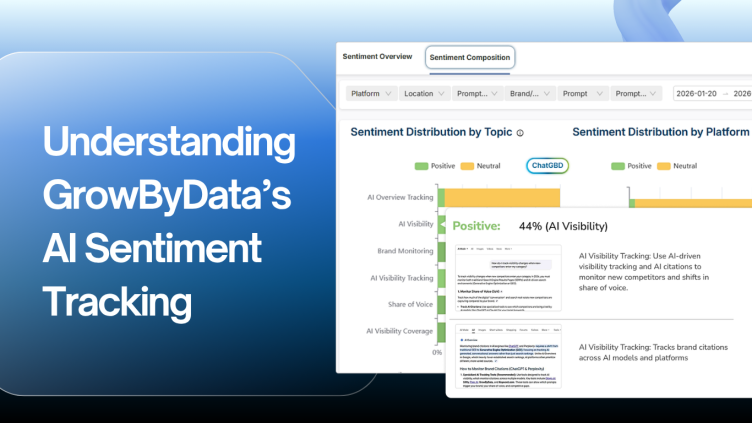

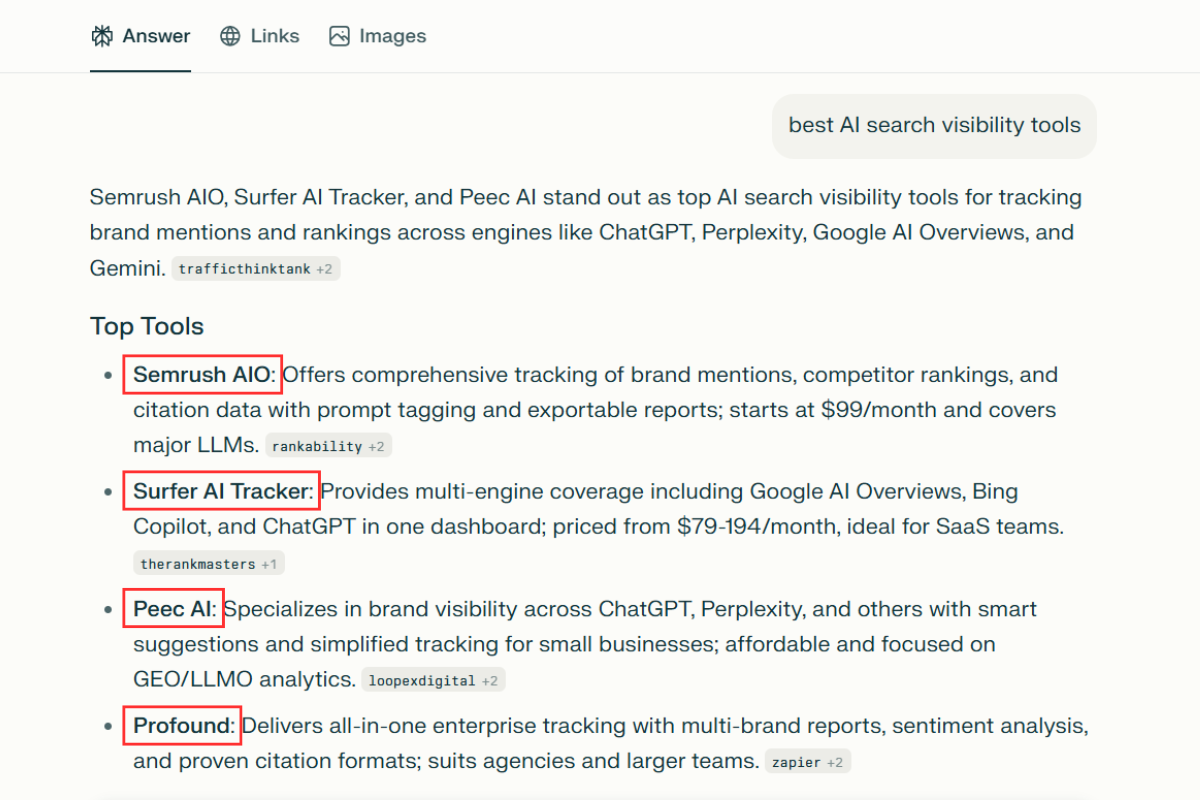
Tracking brand mentions in Perplexity AI requires running prompt-level monitoring across a defined query set, then capturing four data points per response: (1) whether your brand is mentioned, (2) the sentiment of the mention, (3) which competitors appear alongside you, and (4) which source URLs Perplexity cites. Continuous tracking is required because Perplexity’s responses change daily as its index updates.
AI-powered search engines are fundamentally redrawing the digital marketing map. Perplexity AI, in particular, has emerged as a dominant “answer engine” that synthesizes information from across the web to provide direct, cited responses.
For enterprise brands, this shift creates a critical mandate: your market share now depends on whether AI systems cite you as a trusted authority. If you aren’t appearing in these conversational answers, you are losing customers before they even reach your site. This guide will show you exactly how to track mentions in Perplexity AI and why Perplexity AI keywords tracking is the new cornerstone of modern SEO.


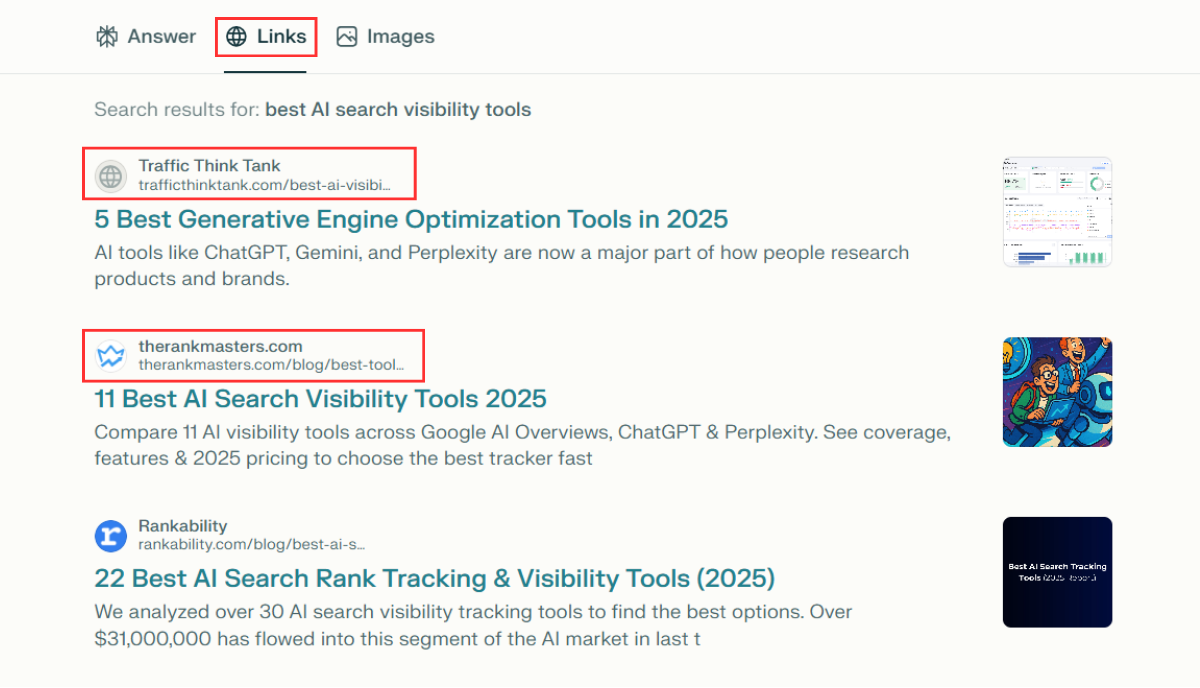
Want to automatically monitor your Perplexity mentions?
GrowByData’s LLM Intelligence Platform tracks your brand’s visibility, citations, sentiment, and competitive Share of Voice across Perplexity, ChatGPT, and Google AIO.
👉 Learn more about Perplexity AI Monitoring →
Why You Need a Perplexity Mention Tracker in 2026
In the USA market, Perplexity has seen rapid adoption among high-value decision-makers. Monitoring your brand is no longer optional for several reasons:
1. Perplexity Influences Purchase Decisions
When someone asks Perplexity “what are the best project management tools” or “which CRM is better for small businesses,” the brands mentioned in that answer gain enormous credibility. Perplexity doesn’t just list your competitors, it actively recommends them with supporting evidence from trusted sources.
AI engines are already influencing buying decisions. Find out how your brand is represented.
Schedule a Straegy Session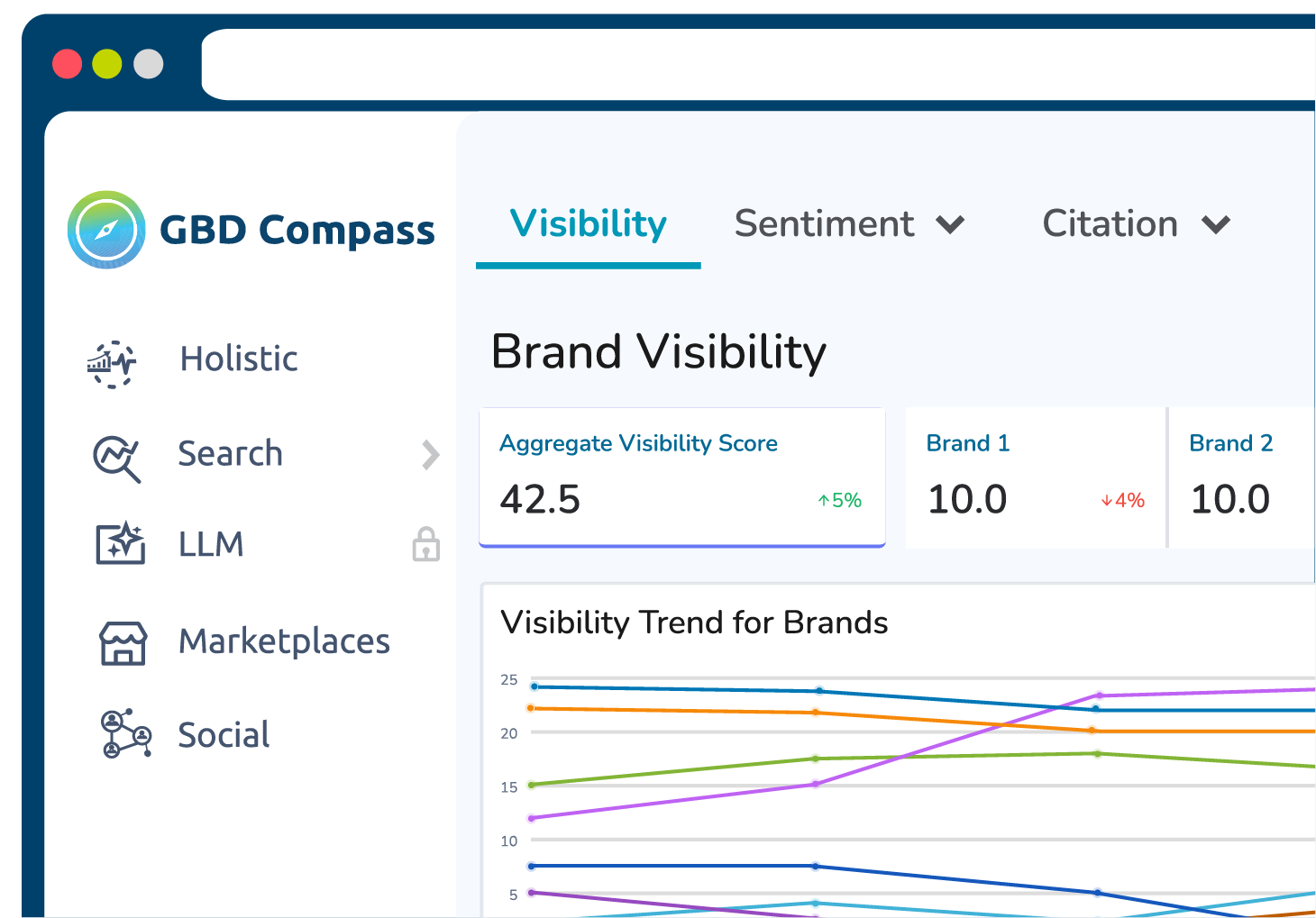
If your brand isn’t mentioned, you’re invisible in that decision-making moment.
2. AI Search Is Growing Rapidly
Perplexity has grown to millions of users who rely on it for research, comparisons, and recommendations. As AI search adoption increases, monitoring your presence becomes as important as tracking traditional search rankings.
→ Measuring What Really Matters in the Age of LLM Search
3. Citations Signal Authority
When Perplexity cites your website or mentions your brand, it is using you as a trusted source. This builds authority not just with users, but potentially with other AI systems and search engines that evaluate source quality.
4. Competitive Intelligence
Tracking which competitors appear in Perplexity answers and which sources the AI uses to mention them, reveals valuable competitive insights. You can see what content strategies are working and where gaps exist in your own coverage.
5. Brand Reputation Management
Sometimes Perplexity surfaces unexpected sources when answering questions about your brand. Monitoring these mentions helps you identify reputation issues, outdated information, or competitor comparisons you weren’t aware of.
How Does Perplexity find Which Brands to Mention?
Understanding how Perplexity selects citations helps explain why certain brands appear more frequently than others. While Perplexity’s exact algorithm isn’t public, several clear patterns emerge from analyzing thousands of queries:
1. Authority and Trust
Perplexity prioritizes established, reputable publications. Mentions in outlets like TechCrunch, Forbes, Wired, or respected industry media dramatically increase the chances of citation.
2. Content Structure and Clarity
Pages that directly answer questions with clear, structured information perform better. Perplexity looks for content that’s easy to parse clear headings, concise explanations, and factual statements rather than marketing fluff.
3. Recency
Fresh content gets priority. If there’s a recent article about your brand or product category, it’s more likely to be cited than older content, even if the older content is more comprehensive.
4. Semantic Relevance
Perplexity interprets meaning, not just keywords. Two users asking essentially the same question with different phrasing might trigger different sources. This makes visibility somewhat unpredictable and query-dependent.
5. Domain Expertise
Websites that consistently publish quality content in a specific domain build topical authority. If your site is recognized as an expert source in your industry, you’re more likely to be cited across related queries.
6. Direct Brand Content
Your own website can be cited, but it competes with third-party sources. Perplexity often prefers independent reviews, comparisons, and analyses over brand-owned content.
How to Effectively Track Mentions in Perplexity AI
To successfully track mentions in Perplexity AI, you must move beyond simple brand searches. You need to monitor the entire semantic ecosystem surrounding your industry.
1. Identify Your AI “Discovery Prompts”
Traditional keyword lists are insufficient. For effective Perplexity AI keywords tracking, you must identify the conversational prompts your ICPs (VPs, Directors, and Managers) use, such as:
“What is the most reliable [Product Category] for enterprise users in the USA?”
“Compare [Your Brand] vs [Competitor] for scalability.”
2. Monitor Citation Sources
Perplexity prioritizes high-authority, third-party publications. Tracking which sources the AI uses to mention your brand and your competitors reveals where your PR and content teams should focus their efforts.
3. Analyze Sentiment and Context
A mention is only valuable if it’s positive. You must track whether the AI describes your product as a “market leader” or “an alternative with known limitations.”
5 Strategies to Improve Your AI Search Visibility (GEO)
Once you begin tracking, use these Generative Engine Optimization (GEO) tactics to boost your presence:
- Prioritize Third-Party Validation: Earn mentions in authoritative US publications (Forbes, TechCrunch, industry-specific journals) as these are Perplexity’s primary “trusted” sources.
- Optimize for Structural Clarity: Use clear H2s, bulleted lists, and FAQ schemas. Perplexity prefers content that is easy to parse and cite.
- Maintain Content Freshness: In 2026, recency is a top-tier ranking factor for LLMs. Regularly update your key industry guides.
- Build Topical Authority: Don’t just talk about your product; publish expert-level insights on the broader challenges your ICPs face.
- Audit Competitor Gaps: Use your tracker to see which sources your competitors are winning and execute a targeted outreach campaign to those same domains.
How GrowByData Supports AI Visibility Monitoring
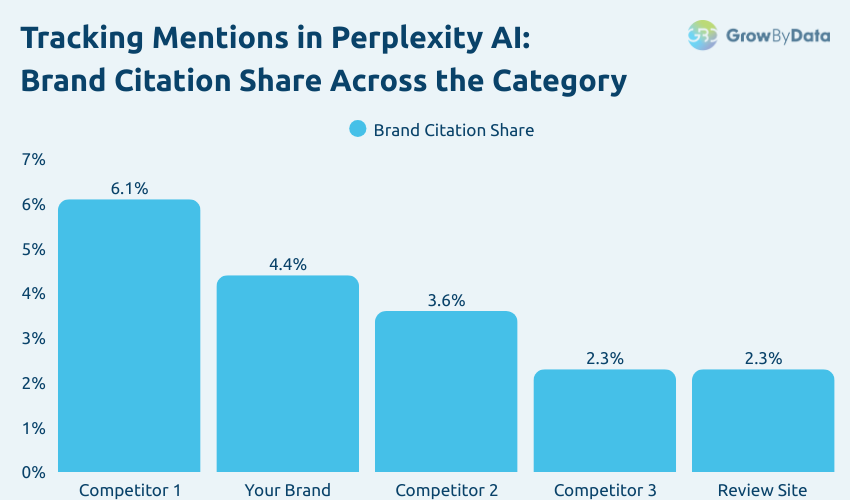
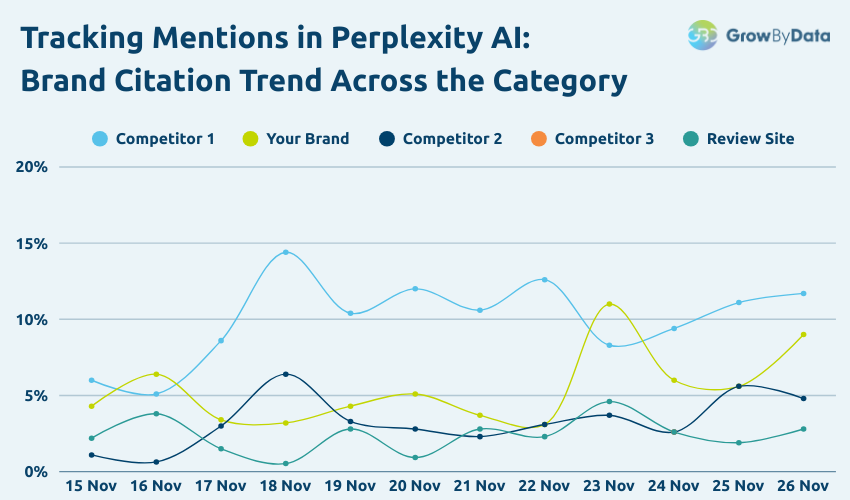
Many enterprise teams today need a structured way to understand how their brand is represented across AI engines, not just Perplexity, but also also other ai platforms like
GrowByData’s LLM Intelligence & AI Search Visibility Tool helps address this emerging need by offering:
- continuous visibility tracking across major AI engines
- citation extraction and historical trend views
- competitive benchmarking across categories
- insights into which sources influence AI-generated answers
- automated reporting for SEO, content, PR, and leadership teams
The goal is not just monitoring, but clarity: helping organizations understand how AI systems perceive their brand and where improvements can meaningfully shift visibility.
What this means for your team:
- Clear ai search visibility into how AI systems represent your brand
- Evidence-backed insights for SEO, PR, and thought leadership
- Competitive intelligence on emerging search ecosystems
- Ability to shape your brand narrative across AI channels
Key Takeaway: AI Visibility Is Becoming a Core Marketing Metric
Perplexity is part of a broader shift in how users seek information.
Monitoring brand visibility in AI-powered answers will soon be as fundamental as tracking rankings, google SERP features, or branded search volume.
Brands that invest early in AI Search visibility tracking:
- Earning citations
- Strengthening content
- Understanding competitor visibility
Monitoring AI search engines will gain a massive advantage as AI continues to replace traditional search. GrowByData provides the visibility, data, and insights to help brands lead in this new era of AI-driven discovery.
Ready to Track Your Brand in Perplexity AI?
Monitor mentions, citations, sentiment, and competitor visibility with GrowByData’s LLM Intelligence Platform.
👉 Start tracking Perplexity brand visibility →
Frequently Asked Questions About Perplexity Brand Mentions
1. Does Perplexity AI use citations?
Yes. Perplexity cites sources directly within its answers, pulling from media outlets, review sites, brand pages, and community forums.
2. How often does Perplexity update its answers?
Frequently and sometimes daily. This is why trend tracking is essential.
3. Can I influence Perplexity mentions?
Yes. The main levers are:
- Strong third-party coverage
- Structured content
- Topical authority
- Recency
- Competitor gap analysis
4. How do I monitor brand mentions automatically?
Using GrowByData’s LLM Intelligence platform. It captures brand mentions across Perplexity, ChatGPT, and more.